

Aged Care Exercise Physiology at Home | HCP & Support at Home | Physio Inq | Physio Inq

Aged Care Exercise Physiology:
Keeping Older Australians Strong, Active and Independent

What Is Aged Care Exercise Physiology?

Aged care exercise physiology is exercise physiology tailored to the physical needs and goals of older Australians. As people age, maintaining muscle strength, balance, cardiovascular fitness and physical function becomes increasingly important, not only for independence but for quality of life, fall prevention and the management of chronic conditions common in later life.

At Physio Inq, our ESSA-accredited exercise physiologists deliver evidence-based programs for older Australians at home, in residential aged care and in community settings. Programs are safe, enjoyable and directly relevant to the goals that matter most, whether that is staying on their feet, keeping up with grandchildren or maintaining the strength to manage daily tasks. We work with clients accessing the Support at Home program (formerly Home Care Package), the Commonwealth Home Support Programme (CHSP) and private funding.

Our aged care exercise physiologists can help with

  • Strength and resistance training to maintain muscle mass and functional capacity
  • Balance and coordination programs to reduce falls risk
  • Cardiovascular fitness programs adapted to age and health status
  • Chronic disease management, including osteoporosis, arthritis and heart disease
  • Rehabilitation exercise following hospitalisation, surgery or illness
  • Exercise programs for residents in aged care facilities
  • Flexibility and mobility programs for everyday function
  • Mental health support through structured physical activity
  • Education and coaching on safe, sustainable exercise habits
  • Coordination with Support at Home providers and case managers

Every program is designed around the older person's goals, health status and preferences, and adjusted as capacity and circumstances change.

Book an appointment or make a referral

The process takes less than 5 minutes. We endeavour to respond to all enquiries and referrals the same day they are received and in most cases, we are able to confirm an appointment time with you within 48hrs. Book for yourself, a loved one, or a client here.

Looking for aged care exercise physiology support? Book an Appointment Refer a Client

How We Deliver Aged Care Exercise Physiology

Physio Inq delivers exercise physiology across three service channels, ensuring flexible, accessible support regardless of location or circumstances.

In Your Home Home-based exercise physiology allows sessions to take...

In Your Home

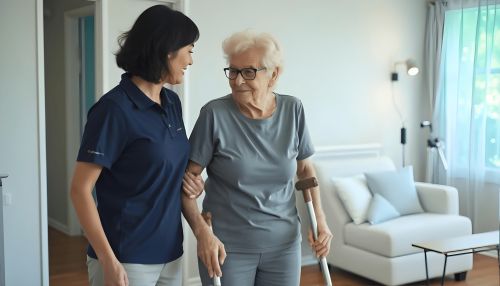
Home-based exercise physiology allows sessions to take place where the client lives and functions. Our exercise physiologists design programs using available home space and equipment, or bring portable equipment as needed, so exercise is practical and immediately relevant to daily life.
In Residential Aged Care Our exercise physiologists deliver programs within...

In Residential Aged Care

Our exercise physiologists deliver programs within residential aged care settings, supporting residents' physical function, independence and quality of life.

We work with facility staff and care teams so exercise is integrated into the resident's overall care plan and delivered consistently.

Online (Telehealth) Telehealth exercise physiology is available for program delivery,...

Online (Telehealth)

Telehealth exercise physiology is available for program delivery, coaching, progress reviews and education sessions, and is effective for many aspects of exercise prescription.

It is particularly useful for clients in regional or remote areas, or for regular check-ins between in-person sessions.

Need flexible aged care exercise physiology that works around your circumstances? Book an Appointment Refer a Client

Who We Support

Physio Inq's aged care exercise physiology services are available to older Australians across a range of living situations, health conditions and care arrangements, including clients accessing the Support at Home program. Our team coordinates directly with providers and case managers so services align with the client's approved care plan and funding arrangement.

Older Australians at Risk of Falls Falls are one of...

Older Australians at Risk of Falls

Falls are one of the most significant health risks for older Australians. Our exercise physiologists design structured fall prevention programs that address the key physical contributors to falls risk, including reduced leg strength, poor balance, slow reaction time and reduced cardiovascular fitness.

Programs are delivered at home and tailored to the individual's current capacity and living environment.

Older Australians Managing Chronic Conditions We work with older Australians...

Older Australians Managing Chronic Conditions

We work with older Australians managing osteoporosis, osteoarthritis, cardiovascular disease, type 2 diabetes, chronic obstructive pulmonary disease (COPD) and other chronic conditions. Exercise is a cornerstone of managing these conditions, and programs are safe, progressive and integrated into daily routines.

For older adults recovering from a hospital admission, surgery or significant illness, exercise physiology supports a graduated return to activity and rebuilds the strength needed for independent daily living.

Residents in Aged Care Facilities Our exercise physiologists provide programs...

Residents in Aged Care Facilities

Our exercise physiologists provide programs within residential aged care settings, working with facility staff and care teams to support residents' physical function, independence and quality of life.

We also work closely with families and carers supporting an older person, providing clear guidance on how to safely encourage and reinforce exercise between sessions.

Whether it's for you, your loved one, or your client, getting started is simple Book an Appointment Refer a Client

Where We Provide Aged Care Exercise Physiology

Physio Inq delivers aged care exercise physiology services across Australia. Our network of EPs operate in metropolitan, regional, and rural areas, with national coordination provided through our customer service team. 

What to Expect From Aged Care Exercise Physiology

Initial assessment

We assess mobility, strength, balance and medical history, and talk through the goals that matter most to the client and their family. Sessions take place at home, nothing needs to be prepared beforehand, and family members or carers are welcome to be present.

Individualised exercise plan

A tailored program is developed to suit the client's capacity, living environment and funding arrangement.

In-home sessions

An exercise physiologist visits to guide and supervise the program, progressing exercises safely as strength and confidence build.

Ongoing review and communication

We review progress regularly and provide written updates to Support at Home providers, case managers and family members, so everyone involved in the client's care stays aligned.

Frequently Asked Questions

According to Allied Health Professionals Australia, physiotherapists are experts in the structure of the human body and its movement. They work with people of all ages to treat a broad range of health conditions including sports injuries and musculoskeletal conditions as well as people with disability, chronic health conditions such as diabetes, obesity, osteoarthritis and stroke.

Physiotherapists are involved in the assessment, diagnosis, planning and management of patient care.

Accredited Exercise Physiologists (AEP) as professionals who specialise in clinical exercise interventions for people with a broad range of health issues. Those people may be at risk of developing, or have existing, medical conditions and injuries. The aims of exercise physiology interventions are to prevent or manage acute, sub-acute or chronic disease or injury, and assist in restoring one's optimal physical function, health, or wellness. These interventions are exercise-based and include health and physical activity education, advice and support and lifestyle modification with a strong focus on achieving behavioural change.

Accredited exercise physiologists (AEPs) deliver and evaluate safe and effective exercise interventions for people with acute, sub-acute or chronic medical conditions, injuries or disabilities. Pathology domains covered by the services of AEPs include cardiovascular, metabolic, neurological, musculoskeletal, cancers, kidney, respiratory / pulmonary and mental health, and any other conditions for which there is evidence that exercise can improve the client's clinical status.

Both disciplines can be funded under the NDIS and often work together. Physiotherapy typically addresses specific injury, pain or movement dysfunction through hands-on treatment and exercise. Exercise physiology focuses on longer-term conditioning, fitness, chronic disease management and building physical capacity through structured exercise programs.

Yes. NDIS exercise physiology is designed specifically to build a participant’s physical capacity and independence. Programs focus on functional goals that are directly relevant to daily life; such as improving the ability to walk safely, manage fatigue or participate in community activities.