

How We Deliver OT Driving Assessments
An OT driving assessment typically consists of two stages followed by a written report, so recommendations are grounded in both clinical findings and real driving performance.
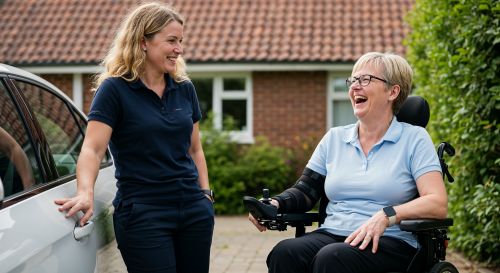
Clinical Assessment
The clinical assessment is typically conducted at home or in a community setting. The occupational therapist reviews medical history, vision, reaction time, attention, cognition, strength and coordination, along with driving history, usual routes and vehicle set-up. Having recent medical letters and a medication list nearby, and a family member or support person present, can help.

On-Road Assessment
The on-road assessment takes place in real traffic in a dual-controlled vehicle, with the occupational therapist and a qualified driving instructor. Together they observe vehicle control, road rules, hazard perception, lane changes and decision-making on a route chosen to reflect real driving demands. If a pause or break is needed, this can be discussed on the day.
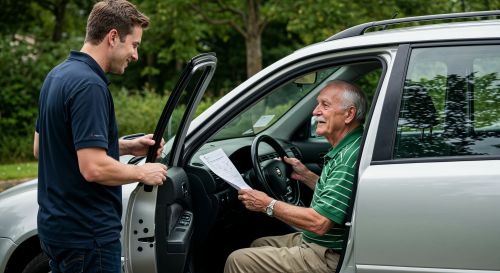
Report and Next Steps
A detailed written report is prepared for the client, their GP or specialist and, where required, the licensing authority. Recommendations may include returning to driving, vehicle modifications, additional lessons or a structured driving rehabilitation program, or support exploring alternative transport options where driving isn’t suitable.


