Wayville Children's Speech Pathology Industry Leaders
Speech Therapy for Kids
When communication feels hard for a child, it can impact everything, from making friends at school to expressing needs at home. Speech therapy helps children feel heard, understood and more confident in everyday moments that matter.
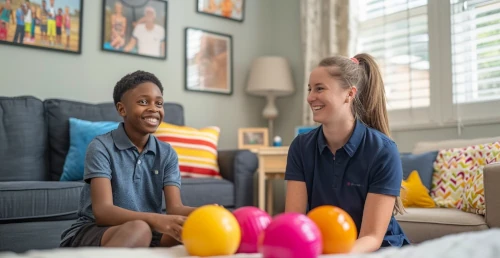
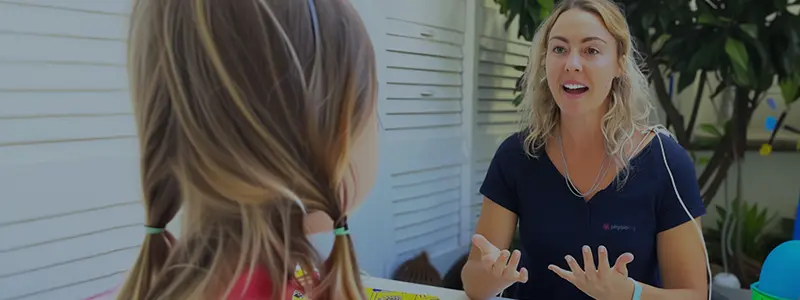
Our paediatric speech pathologists work alongside your family to make communication easier, helping your child express themselves, connect with others and participate more comfortably at home, at school and in the community.
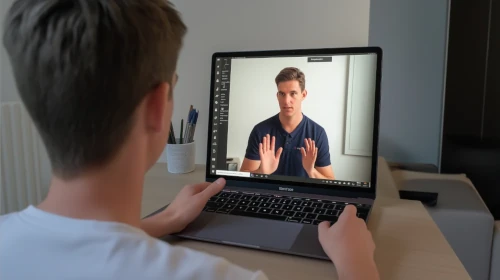
Sessions can take place in your home, at school or childcare, or by Telehealth, depending on what best supports your child’s day-to-day needs and progress.
We also welcome National Disability Insurance Scheme (NDIS) participants, private clients and referrals from health and education professionals.
Find your child’s voice with in-home speech therapy
When your child struggles with speech, language or social communication, it can be worrying, but help is available.
Our mobile and online speech pathologists support children to build language skills and confidence in everyday situations. This might look like your child feeling more comfortable speaking in group activities, joining conversations at gatherings, or expressing their thoughts without frustration.
Signs your child may benefit from speech therapy
You might notice that your child:
- Is not meeting speech and language milestones for their age
- Has a lisp, stutter or unclear pronunciation
- Finds it difficult to be understood by family, teachers or friends
- Struggles with reading, spelling or comprehension
- Has been diagnosed with autism, developmental delay or social communication differences
- Has difficulty chewing, swallowing or eating safely.
Every child develops differently. If you’ve noticed any of the above, early support can make communication easier and prevent challenges from building over time.
You can book an initial speech pathology assessment. We take time to understand your concerns, observe how your child communicates day-to-day and create a plan that feels practical, supportive and achievable for your family.
Why families choose mobile speech therapy
Having a mobile speech therapist visit your child at home, school or childcare means therapy fits naturally into their day.
It removes the pressure of travel, waiting rooms and rushed schedules, making therapy easier to fit around school, work and family life. Children often feel more relaxed learning in familiar spaces, which can make it easier to practise new skills and build confidence over time.
Our in-home speech therapy service is available to children with or without NDIS funding and is also offered via Telehealth anywhere in Australia.
Learn more about Speech Pathology Telehealth here.
Funding your child’s speech pathology
Navigating funding can feel overwhelming. That’s why we’re here to make it clearer and more manageable for your family, Physio Inq services Australia-wide.
Physio Inq offers a range of funding pathways so you can stay focused on your child’s progress. Our team helps you understand what’s available, what’s covered and how to make the most of your child’s plan.
Many children receive speech pathology services through NDIS. Speech pathology is a registered NDIS support that helps children develop communication, language and swallowing skills aligned to their goals.
If your child’s plan includes communication or swallowing supports, therapy may be funded under Capacity Building supports. We work with participants, families and support teams to set meaningful goals that can build confidence and independence.
We also provide reporting and progress updates to support plan reviews and coordinated care with families and support networks.
How Physio Inq speech therapists support school-aged children
Our NDIS-registered speech pathologists help school-aged children with a wide range of communication and swallowing needs.
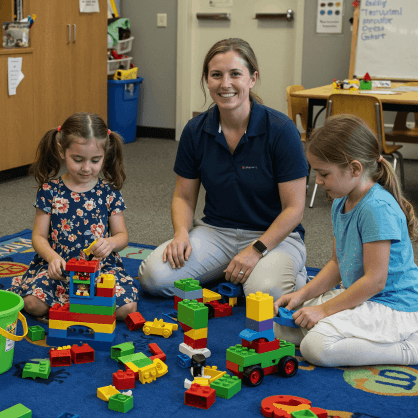
Speech Therapy focuses on helping your child participate more fully in school life. This includes speaking up in class, building friendships and keeping up with learning.
We can assist children living with:
- Speech sound disorders – providing support when words are hard to understand, or sounds are missed or swapped (for example, ‘tat’ instead of ‘cat’) so teachers and friends can understand them more easily
- Stuttering or fluency difficulties – supporting children to feel more comfortable speaking in groups, answering questions or doing presentations
- Language delays and comprehension difficulties – assisting with understanding, following instructions and using complete sentences in everyday conversations and classroom tasks
- Literacy and learning support – improving reading accuracy, spelling and written expression to support classroom learning and homework routines
- Social communication challenges – supporting conversation, turn-taking and making friends so it’s easier to start conversations and maintain friendships
- Swallowing or feeding difficulties – helping children eat and drink safely and comfortably to make mealtimes calmer and more manageable
- Voice differences or vocal strain – guiding healthy voice use for children who talk or sing frequently so they can use their voice more comfortably
- Communication support for developmental or neurological conditions – offering help for developmental delay, autism and more to support everyday communication and participation
Each therapy plan aligns with your child’s NDIS goals and includes clear progress updates for families, teachers and support coordinators.
Development areas supported in children’s speech pathology sessions
Each speech therapy session is designed to support skills your child uses every day at home, in the classroom and when connecting with others.
Programs are shaped around your child’s needs and your family’s routines and may include support in the following areas:
Speech clarity and sound development
Therapy targets pronunciation, sound production and word formation to help children speak more clearly and be better understood during conversations, storytelling and classroom activities.
Language Skills
Sessions support understanding language, following instructions and expressing ideas using words and sentences so it’s easier to answer questions, follow along in class and join in at home.
Social Interaction
Children develop conversation skills, peer interaction and confidence engaging with others in social and school settings, including playdates, group work and friendships.
Literacy and learning foundations
Speech pathology can strengthen reading and writing skills that support academic progress and build the foundation for reading confidence and school participation.
Feeding and swallowing safety
Therapists support children who experience chewing or swallowing difficulties to eat and drink more safely, making mealtimes safer, more comfortable and less stressful for families.
Confidence and functional communication
Speech Therapy with Physio Inq aims to help children advocate for themselves, ask for help and participate more independently in daily routines when possible.
NDIS speech therapy for children
Physio Inq is a registered NDIS provider.
Our team helps families, support coordinators and plan managers access children’s speech pathology that aligns with each child’s goals and funding plan.
We work closely with families to ensure therapy aligns with funding requirements and with the meaningful outcomes you want to see in your child’s everyday life. We support children who have communication, language, speech or swallowing needs as part of their NDIS plan. Therapy focuses on practical outcomes: clearer speech, smoother communication, and safer eating and drinking.
You’ll receive clear reports, progress updates and open communication with your NDIS team.
Learn more about our NDIS Speech Pathology Services.
Who we support (for kids' speech pathology)
We support children at every stage of development, whether challenges are newly identified or already part of an existing care plan.
We work with:
- Children aged 0 to 18 years
- Children with developmental delay, autism, or speech and language disorders
- Children who experience stuttering, literacy or swallowing concerns
- NDIS participants and privately funded clients
Our multidisciplinary team also provides occupational therapy, physiotherapy and exercise physiology when your child benefits from joined-up support across communication, movement and daily living skills without families needing to coordinate multiple providers themselves. Services for adults and Aged Care are included as well.
Other Speech Pathology services that Physio Inq is able to offer
Physio Inq also supports communication needs across different life stages and settings, including:
- In-Home Speech Pathology – Support delivered where everyday communication happens most
- NDIS Speech Pathology – Goal-focused support within NDIS plans
- Adult Speech Pathology – Support for communication and swallowing needs in adulthood
- Aged Care Speech Pathology – Supporting communication, comfort and mealtime safety
Book an appointment or make a referral
Booking support for your child shouldn’t feel complicated. The referral and booking process takes less than 5 minutes. We endeavour to respond to all enquiries and referrals the same day they are received, and in most cases, we are able to confirm an appointment time with you within 48 hours.
Make a Referral
What is the difference between speech therapy and speech pathology?
They mean the same thing. ‘Speech pathologist’ is the professional title used in Australia, and ‘speech therapy’ describes the service provided.
Can NDIS funding cover in-home speech therapy?
Yes. If your child’s NDIS plan includes speech pathology or communication goals, in-home or Telehealth sessions can usually be funded.
How long does a therapy plan last?
Most children start with a 12-month plan that includes progress reviews and updates for NDIS reporting.
Do I need a GP referral?
No. Parents, carers and coordinators can make a referral directly, so you can get started without extra appointments or paperwork delays.
What if we live in a regional area?
Telehealth speech pathology is available across Australia, supporting consistent sessions without long travel times.
How do speech pathologists work alongside physiotherapists and occupational therapists to support my child’s development?
Speech pathologists at Physio Inq work with physiotherapists and occupational therapists to support your child across everyday routines. They align communication goals with movement, play, school participation and daily routines. This shared approach ensures consistent progress across therapies and reduces the burden on families to coordinate care.
Will I receive updates or progress reports that I can share with teachers or support coordinators?
Yes. We provide progress updates outlining your child’s goals, achievements and recommended next steps. These reports can be shared with teachers, support coordinators or funding bodies to support
About Physio Inq’s Care
- Strong history in home-based care
- Over 200 professionals in services for speech pathology
- A commitment to expediting referrals based on clinical needs
- Dedicated contact person for your business
- Access to multiple disciplines and services under one roof
- Large geographical coverage
- High-quality reporting
- Experienced professionals
We are committed to providing our service in-home wherever possible. From time to time, some challenges in staffing, demand and availability may prevent this from occurring. Still, rest assured that in those instances, we will assist in arranging alternative service methods such as telehealth for Speech Pathology.
At Physio Inq we can deliver high-quality and timely in-home and online Allied Health Services. Our Speech Therapy For Children services are available in Wayville and the surrounding areas:
- Bedford Park
- Belair
- Bellevue Heights
- Black Forest
- Blackwood
- Brighton
- Burnside
- Clarence Park
- Clovelly Park
- College Park