Upper HermitageStroke Rehabilitation Physiotherapy | Physio Inq Stroke Rehabilitation Physiotherapy

Upper Hermitage Stroke Rehabilitation Physiotherapy Industry Leaders

Get assistance for movement, confidence, and independence after a stroke


A stroke can change many aspects of daily life, from how you move and communicate to how you manage everyday activities. Progress can take time, and the right support can make day-to-day planning feel less overwhelming for you and your family.


Physiotherapy plays an important role in helping people work on movement, everyday function, and confidence after a stroke. With structured, evidence-based exercises and hands-on guidance, physiotherapists support strength and balance while helping you find ways to move optimally.


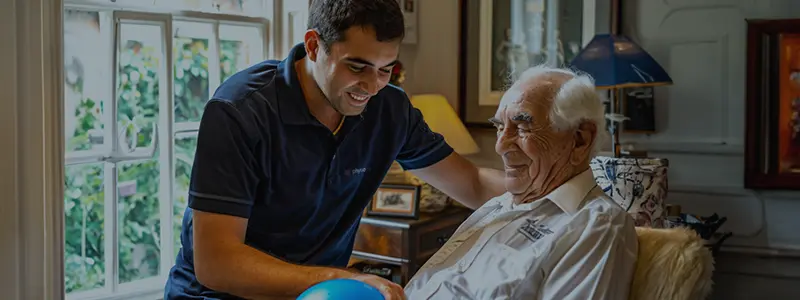
Whether you’re looking for a Newtown physio or Doncaster physio, our stroke rehabilitation therapists provide personalised programs that focus on realistic goals at a pace that suits you. Sessions can be delivered in your home, community setting or online through telehealth, with services available across Australia.


How Stroke Rehabilitation Physiotherapy Helps


Stroke rehabilitation aims to support movement and function, assist with physical ability, and enhance overall quality of life.


Physiotherapy after stroke can help to:


  • Build a steadier balance for everyday walking confidence, when achievable
  • Assist with strength, stamina and flexibility for daily routines
  • Support coordination and upper limb control
  • Reduce stiffness and prevent muscle tightness
  • Encourage independence in everyday tasks
  • Promote positive changes through repetitive movement

What to Expect


Our Stroke Rehabilitation Physiotherapists focus on steady, practical steps, working with you and your support network to create achievable goals based on your individual ability and progress.   


Stroke rehabilitation will include personalised, evidence-based, task-specific rehab exercises to work on your posture, balance, and coordination. 


Regardless of whether it’s from a dedicated Windsor physio or Thirroul physio, therapy assists with building movement patterns and sensation when possible. Gait training, mobility training, and treadmill training are just some of the various techniques our physiotherapists will use if appropriate for your goals and environment.


You can also expect clear explanations during the session, which means you know what you are practising and why it matters for day-to-day life.


  1. Initial assessment – A comprehensive review of mobility, strength, and personal goals. This can include looking at everyday tasks that feel hard right now, such as standing up from sitting on a chair, getting around the house, managing steps or using the bathroom.
  2. Individual plan – A personalised program of exercises and strategies designed to match your needs and home. You will be shown simple exercises to practise between sessions, with guidance that fits your environment and the supports you already use.
  3. Ongoing sessions – Guided therapy to help movement and reduce limitations, delivered in-home or through telehealth. Sessions focus on real movements you use every day, with pacing and breaks that suit your stamina.
  4. Progress review – Regular check-ins to monitor outcomes and adjust your plan for continued changes. Your plan is updated as goals change, routines shift, or new challenges come up at home or in the community.

Your physiotherapist works closely with you, your family, and your broader healthcare team to maintain open communication and consistent progress. If it helps, a family member or carer can be involved so everyone feels clear on what to do between sessions.


Focus areas included in stroke rehabilitation sessions


Stroke rehabilitation is often about making everyday movement feel more manageable, step by step. 

People may be adjusting to changes in strength, balance, sensation, fatigue, or coordination, and these changes can affect simple routines like getting out of bed, showering, making a meal, or walking to the letterbox. With this, you can trust that we can connect you with an understanding and compassionate physiotherapist in Glen Iris or other locations.

Sessions focus on practical movement skills that matter in daily life and can be adapted for all ages and stages after stroke. 

Focus areas may include:


  • Walking and balance practice: Support with steadiness, confidence with walking aids (when used), and building movement for common situations such as turning, steps and uneven surfaces.
  • Transfers and functional movement: Practising real tasks such as moving from bed to chair, standing up safely, and getting on and off the toilet or into a car, when appropriate.
  • Upper limb use for everyday tasks: Activities that support arm and hand control for tasks like dressing, preparing food, carrying items and using a phone or remote.
  • Posture, coordination and body awareness: Work that supports control through the trunk and limbs so everyday movement feels more organised and more efficient.
  • Managing stiffness and fatigue through the day: Strategies to pace activities, build tolerance gradually and reduce the impact of tightness or fatigue on routines.

Understanding funding for stroke rehabilitation physiotherapy


Physio Inq can help you understand common funding pathways and what is usually needed for referrals and reporting, whether you’re trying to find a physiotherapist Moorebank-wide or beyond. 

Funding options may include:


  • NDIS (where eligible): Some people may access stroke rehabilitation physiotherapy through an NDIS plan. Sessions can be aligned with goals that relate to daily living, mobility, and participation at home and in the community.
  • Home Care Packages: For people who receive aged care support, physiotherapy may be arranged through Home Care Packages depending on the program and individual needs.
  • Private funding: Some people choose private sessions when they want to start sooner or continue with ongoing support that fits their routine.
  • DVA and insurance schemes (where applicable): Depending on your circumstances, services may be arranged through eligible schemes and insurers, with the required documentation.

If you are unsure which option fits, our team can talk you through requirements, the type of reports that may be requested, and what information helps get started.

Our Mobile Physiotherapists bring the equipment they need to carry out in-home sessions, which include support with:


  • NDIS Services
  • Neurological conditions
  • Weakness in arms or legs
  • Coordination difficulties
  • Postural problems
  • Tight muscles
  • Shoulder pain
  • Headaches

Who We Support


Stroke rehabilitation physiotherapy is suitable for:


  • NDIS participants (self-, plan- or agency-managed)
  • Older adults receiving Home Care Packages
  • Private clients with or without GP or specialist referrals
  • People recently discharged from hospital following a stroke

Our team supports people at different stages after a stroke, from the early weeks through to longer-term support for mobility, function and confidence in their daily routines. Whether you are balancing appointments, transportation or family responsibilities, our online and in-home sessions are ideal.


Why Choose Our Stroke Rehabilitation Services

  • In-home and mobile physiotherapy available
  • Qualified and experienced neurological physiotherapists
  • National coverage with local practitioners across Australia
  • Collaboration with occupational therapy, speech, and exercise physiology when needed
  • Telehealth options for remote and ongoing care

Our focus is on practical outcomes that help each person move more easily and confidently in daily life. Rest assured that we have in-depth allied health services, whether you’re looking for a physiotherapist or an occupational therapist Hobart-wide


Physiotherapy can support regular movement and routines that may be part of your broader care plan, through lifestyle changes and functional activities.


Other Physiotherapy services that Physio Inq is able to offer


FAQs


What is stroke rehabilitation physiotherapy?

It is physiotherapy that assists with movement, function, strength and coordination after a stroke, with sessions focused on everyday activities and goals that matter to you. The aim is to support independence.


When should physiotherapy start after a stroke?

Physiotherapy should start as soon as it is medically safe. Starting early can help you practice the appropriate movements, habits and routines.


Can I have stroke rehabilitation physiotherapy at home?

Yes. In-home stroke rehabilitation physiotherapy is available nationwide. Your physiotherapist arrives with what is needed for the session and works within your environment, and the practice relates to what you do each day. However, if in-home physiotherapy is not available in your specific area, we have a telehealth option that can guide you in a similar way. 


How long do stroke therapy outcomes take?

The timeframe varies from person to person. Your therapist, whether they’re a Picton physio or Jurien Bay physio, will plan around your needs and adjust it as your strength and mobility change.


Is stroke rehabilitation covered by NDIS or Home Care Packages?

Yes. Stroke rehabilitation physiotherapy can be funded through NDIS Capacity Building supports or Home Care Packages. Private and DVA clients may also be supported, depending on eligibility and funding requirements.


Do you offer stroke rehabilitation physiotherapy in settings other than the home?

Yes, where appropriate. Sessions can be arranged in suitable community settings or online (telehealth), depending on what support is needed and what is practical for you.


How long does a stroke rehabilitation session usually go for?

Initial consultations may take up to an hour, while follow-up sessions may vary but most commonly are an hour long. Your physiotherapist will explain what to expect and plan a general timeline for your sessions, depending on your health goals and unique needs.


What if I feel tired or overwhelmed during stroke rehabilitation physiotherapy?

That is common after a stroke. Sessions can be paced with rest breaks and simpler tasks on lower-energy days so you can keep building consistency without overly pushing through fatigue.


Can stroke rehabilitation physiotherapy involve my family or carer?

Yes. If you would like, a family member or carer can be involved, so they understand what you are practicing and how to support routines between sessions in an informed and practical way.


Do I need a referral to start stroke rehabilitation physiotherapy?

Not always. Whether it’s Nerang physiotherapy or Hoxton Park physiotherapy, some people start privately, while others may need a GP referral, depending on the funding pathway being used. Our team can clarify the typical requirements for your situation if you are unsure. 

We deliver detailed Functional Capacity Assessments (FCAs) and progress reports. These documents are often required to support NDIS plan reviews or to assist with applications for school-based funding, such as Integration Aide support.


Alternatively, contact us by phone on 1300 731 733

Make a Referral

Physio Inq Physiotherapists create custom treatment plans to support your specific physical challenges, whatever those may be.


About Physio Inq's Care


  • Strong history in home based care
  • Over 200 qualified professionals in Stroke Rehabilitation services for physiotherapy
  • NDIS registered provider
  • Commonwealth Home Support Program Provider (CHSP)
  • Home Care Provider (HCP)
  • A commitment to expediting referrals based on needs
  • Dedicated contact person for your business
  • Access to multiple disciplines and services under one roof
  • Large geographical coverage
  • High quality reporting
  • Experienced staff

We are committed to providing our service In-Home wherever possible. From time to time, circumstances such as staffing, demand and availability may prevent this from occurring. In those instances, we will assist in arranging alternative service methods such as telehealth for Physiotherapy.


Why worry about the stresses of parking and traffic when you simply don't have to anymore? Our Allied Health Team is currently serving the following states in Australia:


  • New South Wales
  • Western Australia
  • South Australia
  • Queensland
  • Victoria
  • Tasmania
  • Australian Capital Territory

At Physio Inq we can deliver high-quality and timely in-home and online Allied Health Services. Our Stroke Rehabilitation Physiotherapy services are available in Upper Hermitage and the surrounding areas:

  • Aldgate
  • Ashton
  • Balhannah
  • Basket Range
  • Birdwood
  • Bradbury
  • Bridgewater
  • Carey Gully
  • Castambul
  • Chain Of Ponds
  • Read more...
  • Charleston
  • Cherryville
  • Crafers
  • Crafers West
  • Cudlee Creek
  • Dorset Vale
  • Eagle On The Hill
  • Forest Range
  • Forreston
  • Greenhill
  • Gumeracha
  • Heathfield
  • Houghton
  • Humbug Scrub
  • Inglewood
  • Ironbank
  • Kenton Valley
  • Kersbrook
  • Lenswood
  • Lobethal
  • Longwood
  • Lower Hermitage
  • Macclesfield
  • Marble Hill
  • Millbrook
  • Montacute
  • Mount Barker
  • Mount George
  • Mount Lofty
  • Mount Torrens
  • Mylor
  • Norton Summit
  • Oakbank
  • Paracombe
  • Rostrevor
  • Scott Creek
  • Stirling
  • Summertown
  • Teringie
  • Upper Hermitage
  • Upper Sturt
  • Uraidla
  • Verdun
  • Woodforde
  • Woodside
  • And surrounding suburbs

Stroke Rehabilitation Physiotherapy

Disability & NDIS Mobile Physiotherapy Providers


Physio Inq supports NDIS participants with physiotherapy that fits into everyday life at home, with clear communication and consistent follow-up. Assisting those most in need is what makes our dedicated team of Physiotherapists get out of bed every day with a spring in their step.


Our Physiotherapists currently treat a wide variety of conditions, including:


  • Cerebral Palsy
  • Motor Neuron Disease
  • Chromosomal Disorders
  • Spinal Disorders
  • Genetic Conditions

We treat all participants in a place most convenient to you, whether it is in the comfort of your own home or in some other more convenient setting. Here, you can count on our mobile or telehealth sessions.


Don’t wait days or weeks for your appointment. Access our personalised NDIS Physiotherapy services by booking an appointment now.

We See You Where It Suits You

Physio Inq is your premium partner for all your Physiotherapy & Allied Healthcare requirements for in home, in clinic and online services throughout Australia.

Physio Inq exists to provide reliable, experienced, and forward-thinking care to the community – we are passionate about Australian’s living a life with less limits.

We provide in home, online and clinic solutions for your Physiotherapy, Occupational Therapy, Speech Pathology & Exercise Physiology needs across Australia.

Our therapists are experts in their respective fields, and we believe every client deserves an incredible experience. We see people of all ages, with a large team that treat people across the lifespan, from paediatrics to geriatrics

Who can we help & assist?

  • Private Clients
  • NDIS Participants
  • Home Care Packages
  • Transport Accident Commissions (TAC)
  • WorkCover
  • Department of Veterans’ Affairs (Only in clinic)

At Physio Inq we aim to create happiness and fulfilment for all we come in contact with – this includes our staff and those we serve.

Health for You – In Home, In Clinic & Online

Across the country our local Allied Health services include:

Physio Inq
Community Partners
PR Hub
PR Hub
BLK
BLK
Franchising Expo
Franchising Expo
Inside Franchise Business
Health Engine
Health Engine
Australian Physiotherapy Association
Australian Goverment Department of Veterans Affairs
HCF
HCF
NDSP
NDSP
NDIS
NDIS
Spectrum Support
Spectrum Support